
Chapter 5
GOLD RUSH
Is SA’s novel spekboom-led thicket biome restoration a new soil carbon-farming frontier?
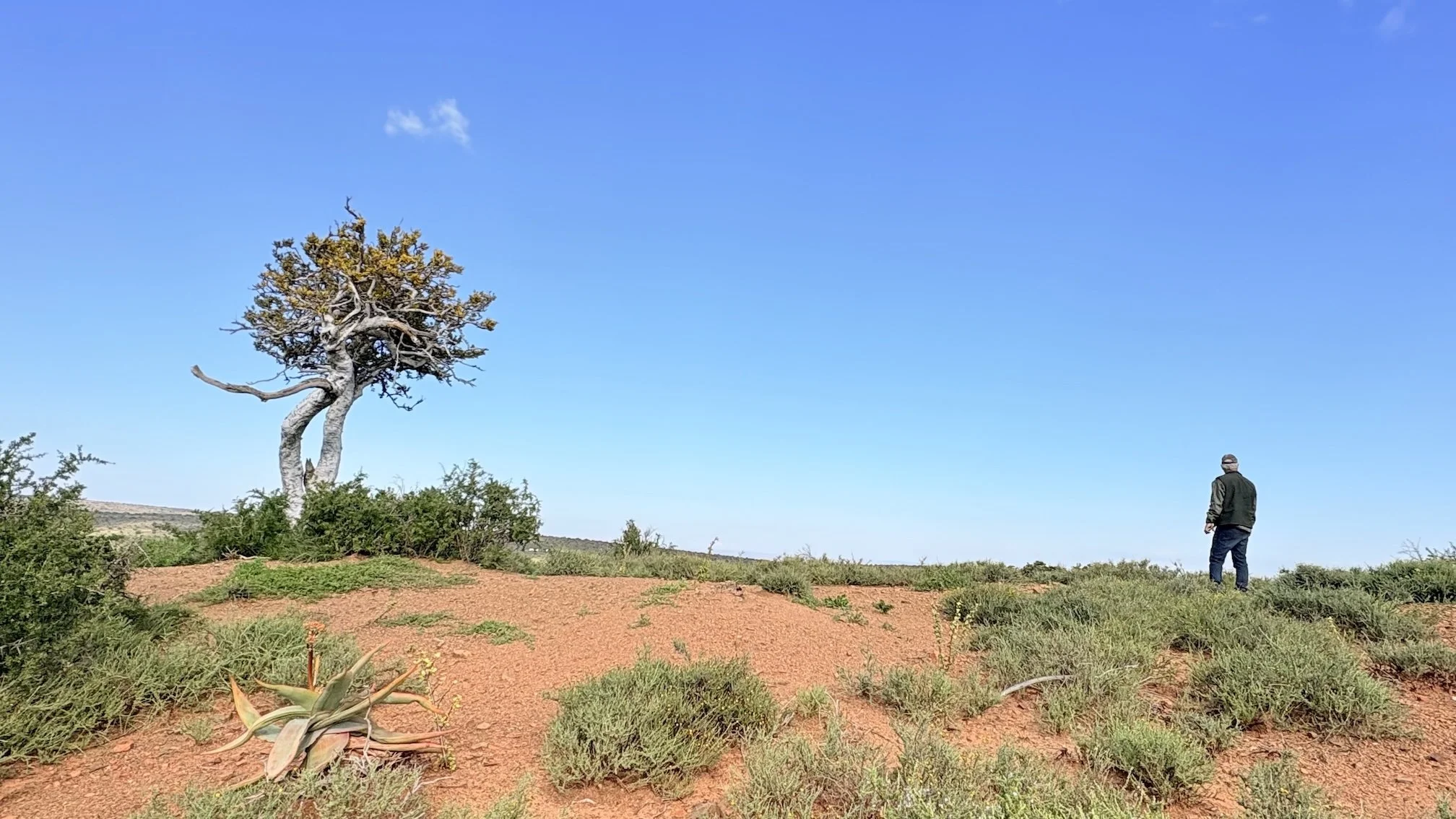
Mass-planting spekboom to repair damaged farmlands in the Eastern Cape, paid for through the carbon markets, got supersized with the arrival of weighty Global North investment. Could this mark a new era for African agriculture, where farming soil carbon replaces conventional crops?
27 Aug 2026
SA’s new gold rush: Big money, high stakes in emerging spekboom restoration sector
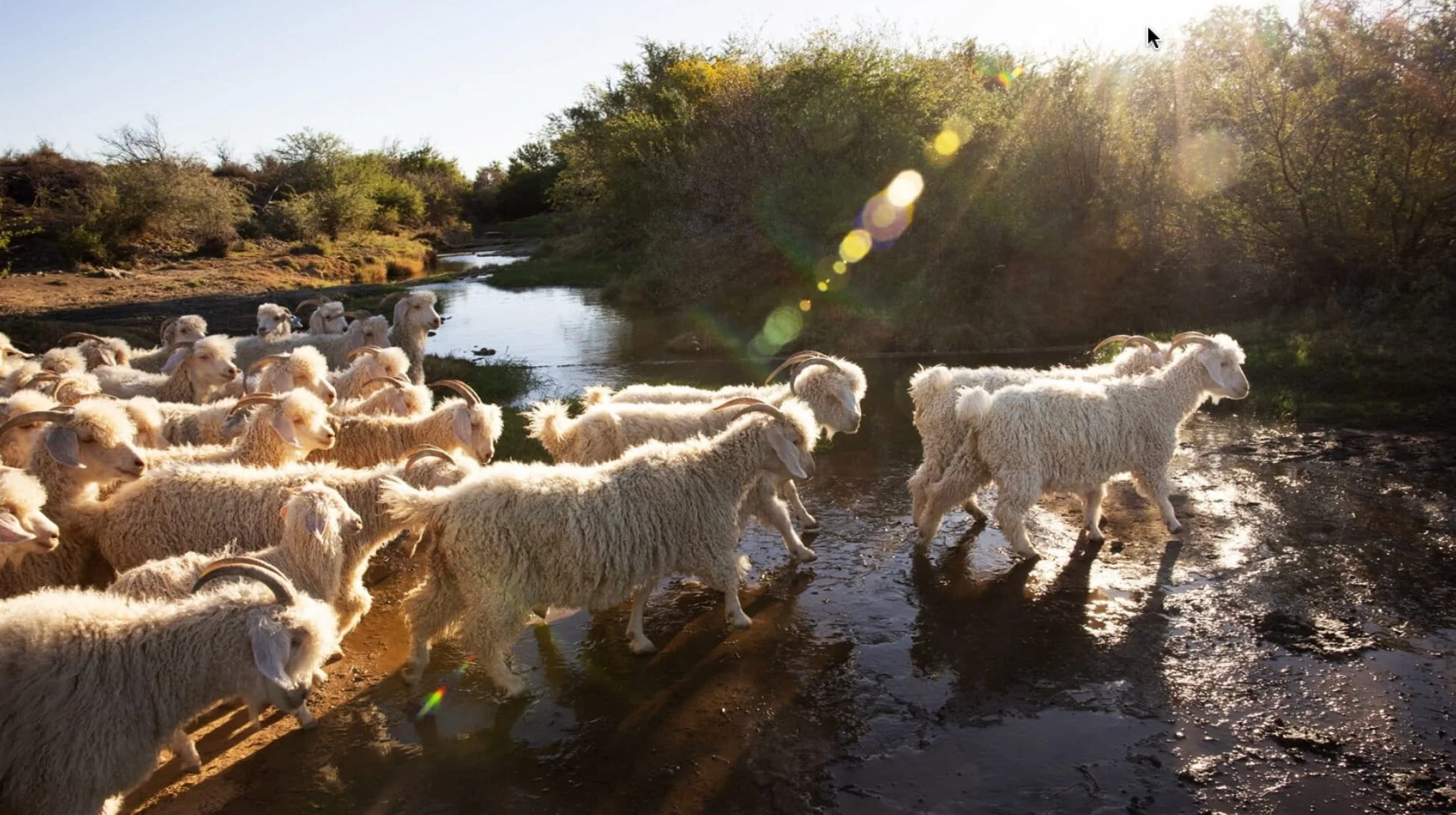
After decades of livestock pressure, 1.5 million hectares (3.7 million acres) of farmland in South Africa’s Albany thicket biome need rehabilitation — the way a burn victim needs lifesaving skin grafts.
First published in Mongabay.
1 Sep 2026
SA’s new gold rush: Spekboom restoration speeds up, but it’s a bumpy road, insiders report
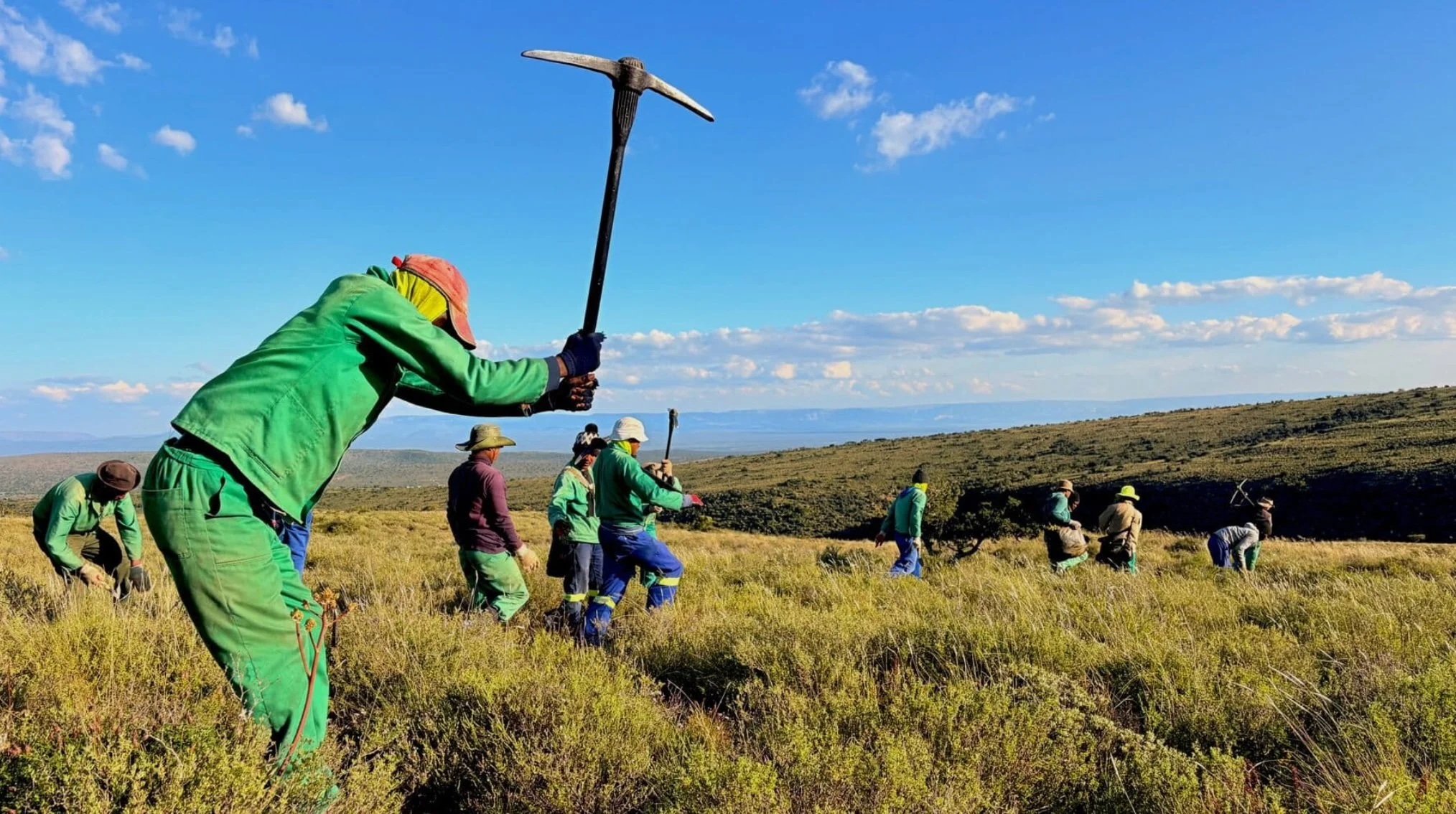
A unique approach to ecosystem restoration in South Africa — repairing exhausted farmlands through the mass planting of an endemic drought-tolerant succulent called spekboom — is receiving global attention as one new entrant gets an injection of $91 million to dramatically increase its plantings.
First published in Mongabay.
3 Sep 2026
SA’s new gold rush: Big promises, closed books in new carbon frontier
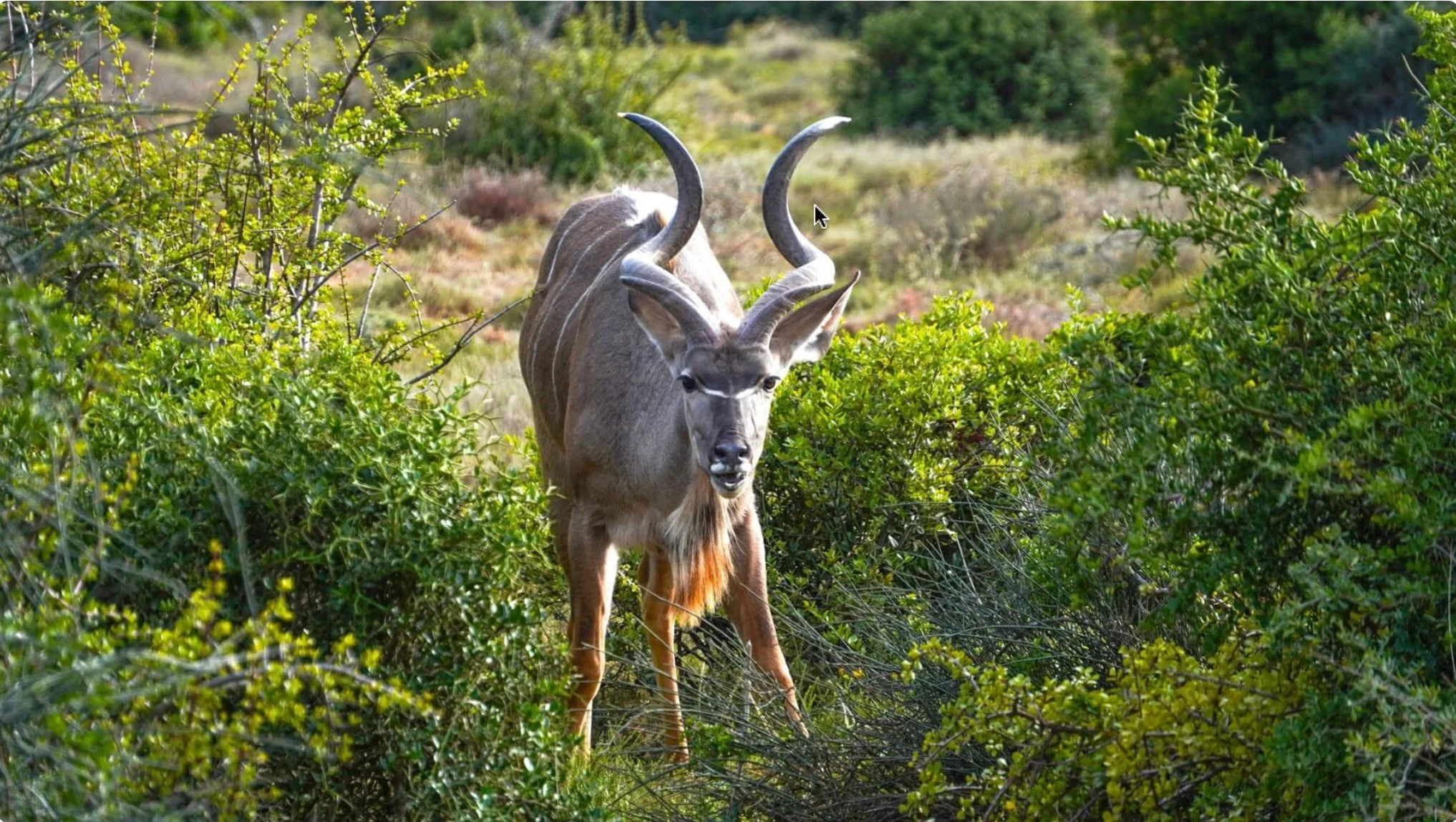
Mongabay’s investigation uncovers a sector dominated by international corporations whose investment promises are hard to scrutinise, in a cautionary tale of what happens when projects fail.
First published in Mongabay.
11 Oct 2026
Is SA’s novel spekboom restoration a new soil carbon-farming frontier?
Mass-planting spekboom to repair damaged farmlands in the Eastern Cape, paid for through the carbon markets, got supersized with the arrival of weighty Global North investment. Could this mark a new era for African agriculture, where farming soil carbon replaces conventional crops?
First published in Daily Maverick.
5 Oct 2026
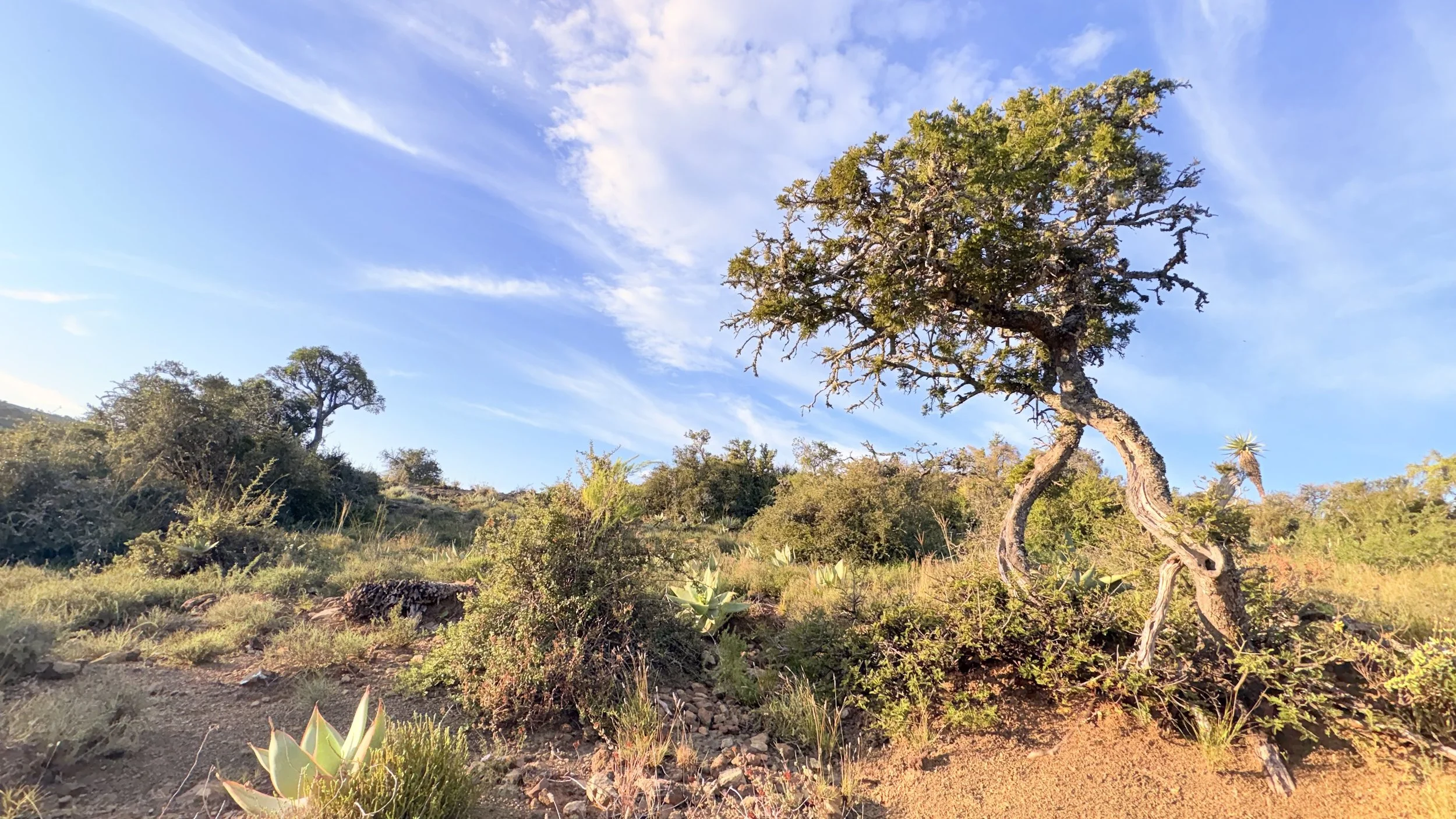
Can carbon-funded spekboom planting restore South Africa’s thicket?
Global finance is flowing into mass planting of the indigenous succulent, but ecologists disagree over how, and how soon, to judge whether the wider ecosystem will recover.
First published in Nature.
More precious than gold.
More precious than gold.
More precious than gold.

More precious than gold.
More precious than gold.
More wordsmithery…
Scorched: South Africa’s changing climate is a vivid journey through southern Africa’s mesmerising landscapes as climate change sets in. It wanders through the KwaZulu-Natal Midlands to capture the last faltering calls of a rain frog that was named after the hobbit Bilbo Baggins. The author pauses for thought following an elephant stampede to consider how savannahs might shift in an altered climate. She trails the wading birds of the West Coast into the high Arctic tundra for their annual breeding season before returning to a Cape which is crisping over as drought continues to grip the province.
Another world exists somewhere beyond the global politicking of superpowers and petrostates. This is the place where a solitary bee continues to pollinate the pale, demure flower of an orchid near Darling, or where the limey coral skeleton hosts its colourful algae on a Sodwana reef. These plants and animals — many of which are unique to the region — continue to do what their ancestors have done for millions of years.
Yet the world is shifting its shape around them. In places it is warming and drying, elsewhere the rains come in greater deluges. Some are abandoned by the other plants and animals with which they have cohabited, as species retreat before the onslaught of rising greenhouse gases and altered weather patterns.
Scorched gives powerful local colour to a global problem. It ponders the morality of the changes humankind has wrought, and the future of life as we know it.

“Scorched gives powerful local colour to a global problem. It ponders the morality of the changes humankind has wrought, and the future of life as we know it.”