

STORY ARK
tales from southern Africa’s climate tipping points
Welcome to Story Ark, where investigative journalism meets immersive storytelling in a voyage around southern Africa that’s documenting how the climate crisis is unfolding on our doorstep, in our lifetime.
Seasoned science journalist and author Leonie Joubert is on the road in search of the invisible and untold stories that unfold far from newsrooms. She’s also scouting for solutions to the pressing social and environmental justice issues that surface along the way. Story Ark aims to inform our public conversation and stoke active citizens in a way that supports more resilient and responsive communities in these disquieting times.
The name Story Ark draws on the importance of storytelling and how we can use it to create a Noah’s ark for ecological, cultural and social conservation.
5 Oct 2026
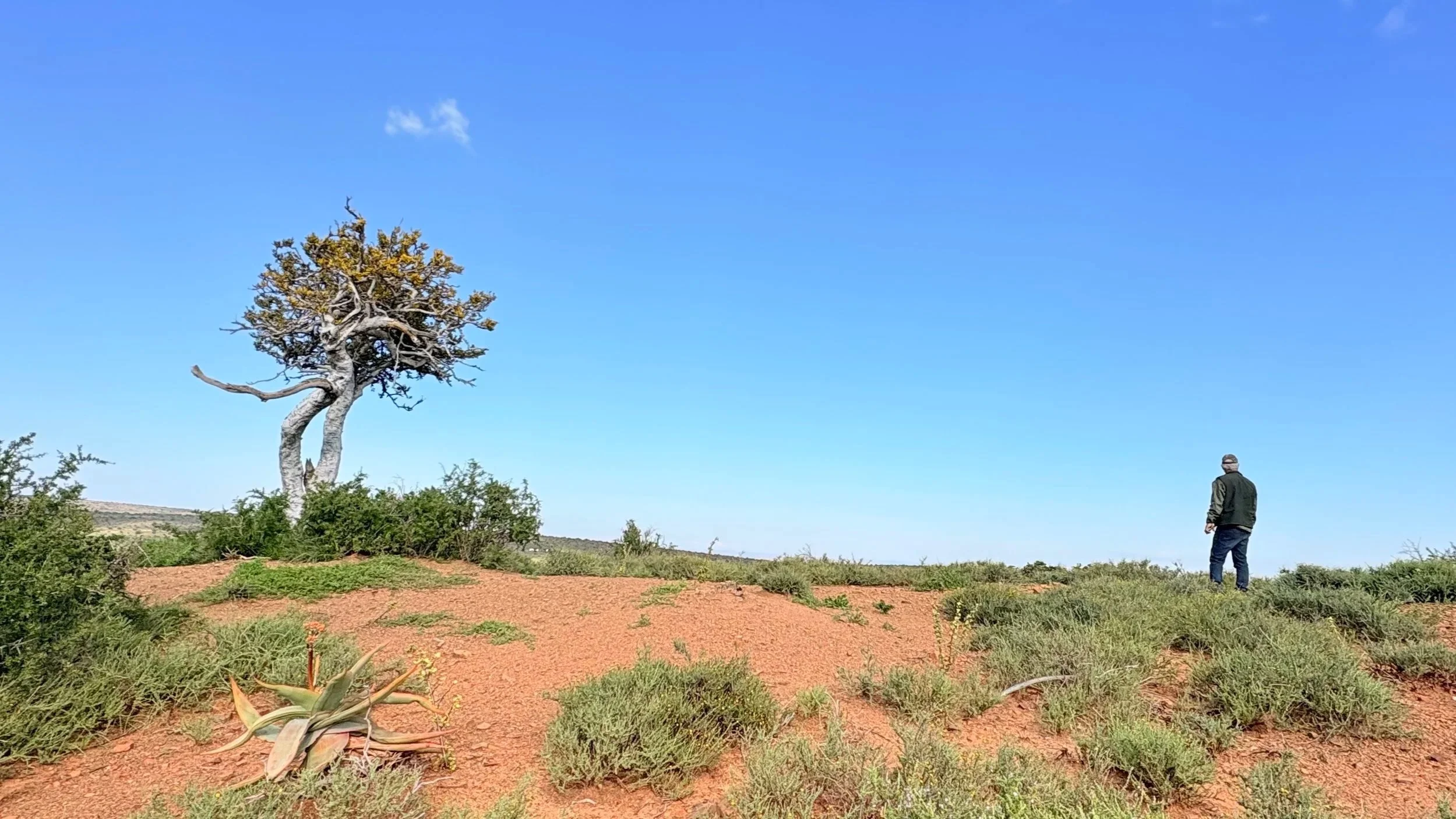
Can carbon-funded spekboom planting restore South Africa’s thicket?
Global finance is flowing into mass planting of the indigenous succulent, but ecologists disagree over how, and how soon, to judge whether the wider ecosystem will recover.
First published by Nature Africa.
3 Sep 2026
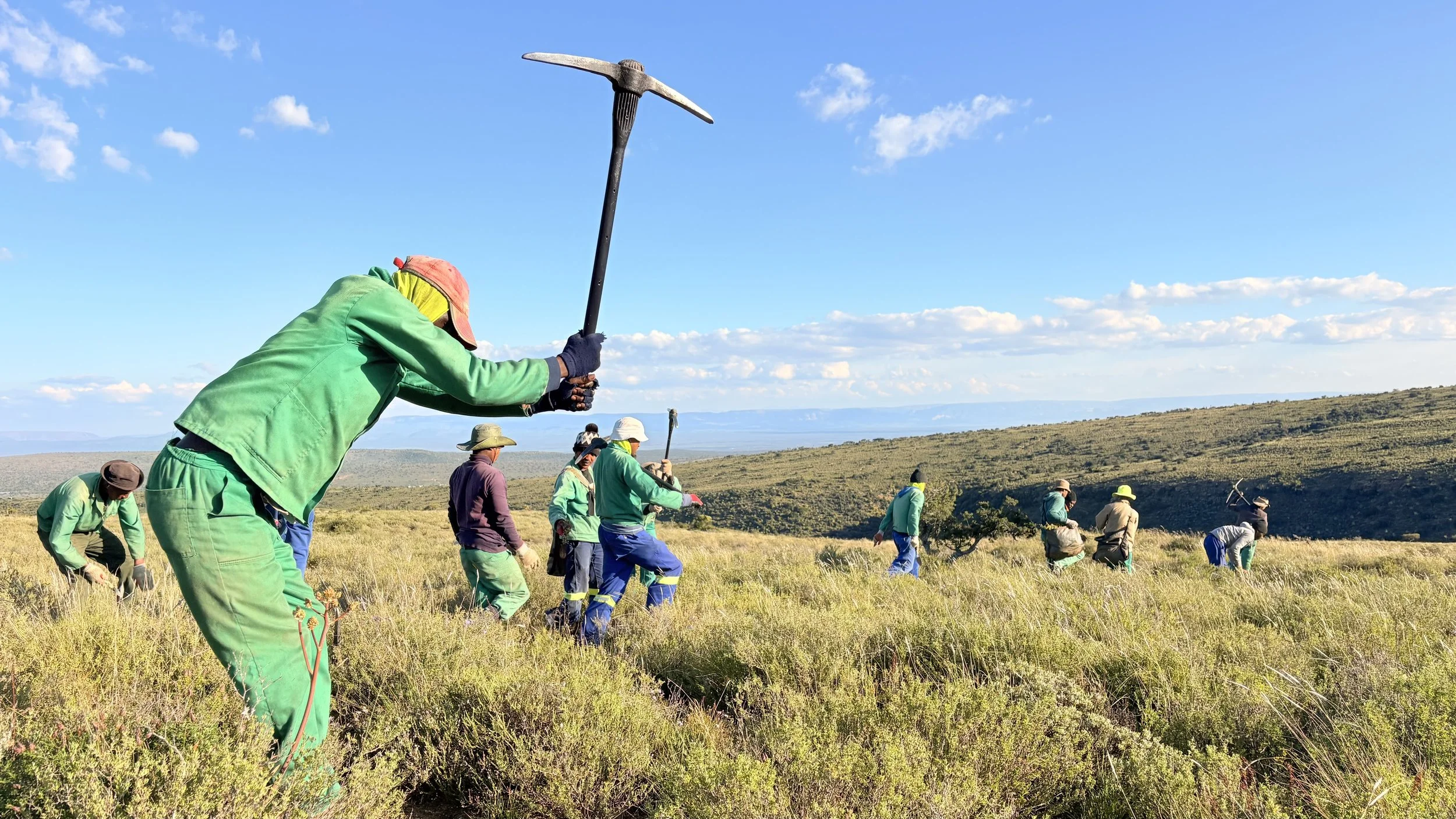
South Africa’s new gold rush: Big promises, closed books in new carbon frontier
The drought-adapted succulent spekboom (Portulacaria afra) has long been trumpeted as the crown prince of South Africa’s nature-based carbon sink solutions.
First published in Mongabay.
1 Sep 2026
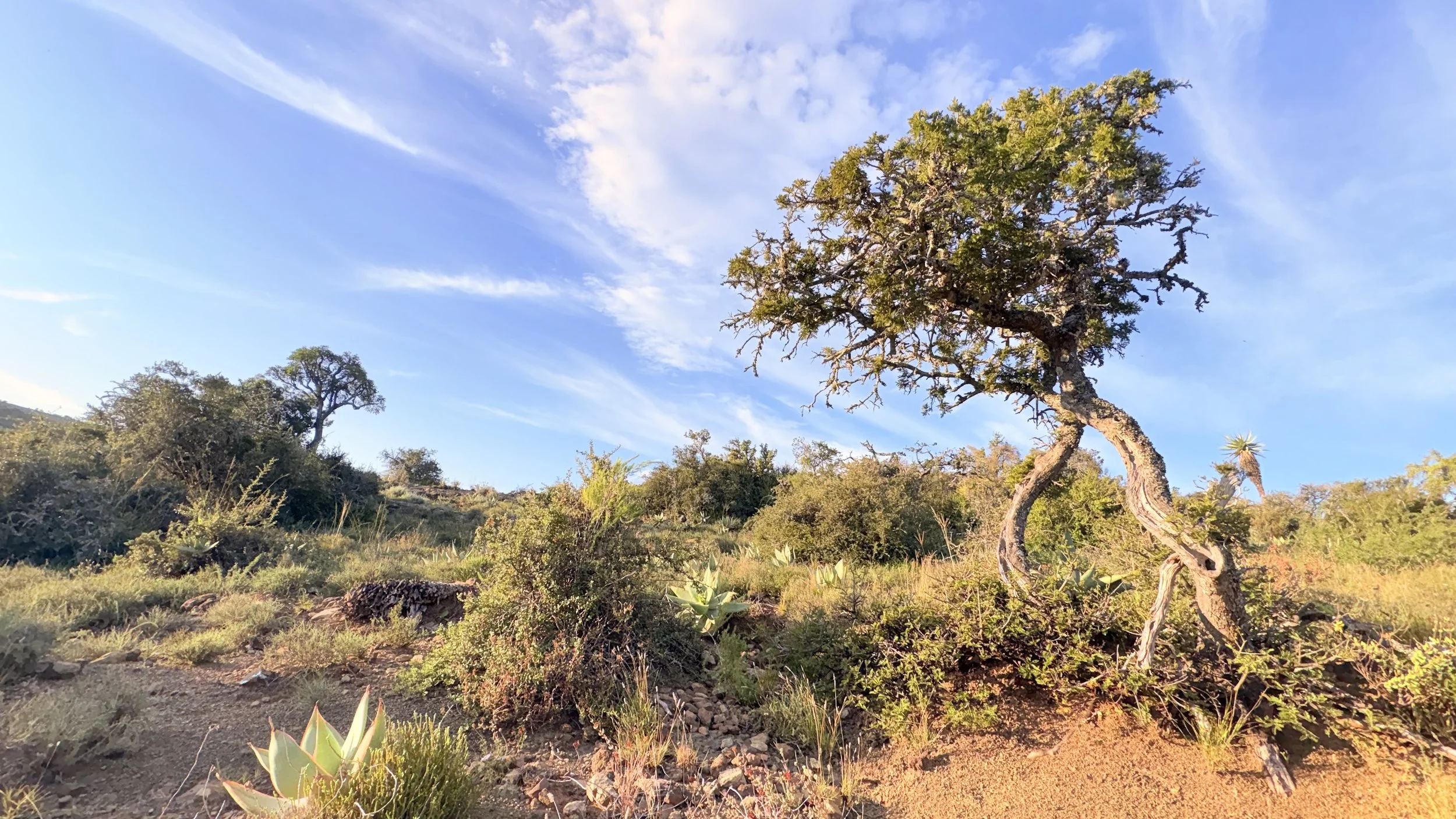
South Africa’s new gold rush: Spekboom restoration speeds up, but it’s a bumpy road, insiders report
A unique approach to ecosystem restoration in South Africa — repairing exhausted farmlands through the mass planting of an endemic drought-tolerant succulent called spekboom — is receiving global attention as one new entrant gets an injection of $91 million to dramatically increase its plantings.
First published in Mongabay.
27 August 2026
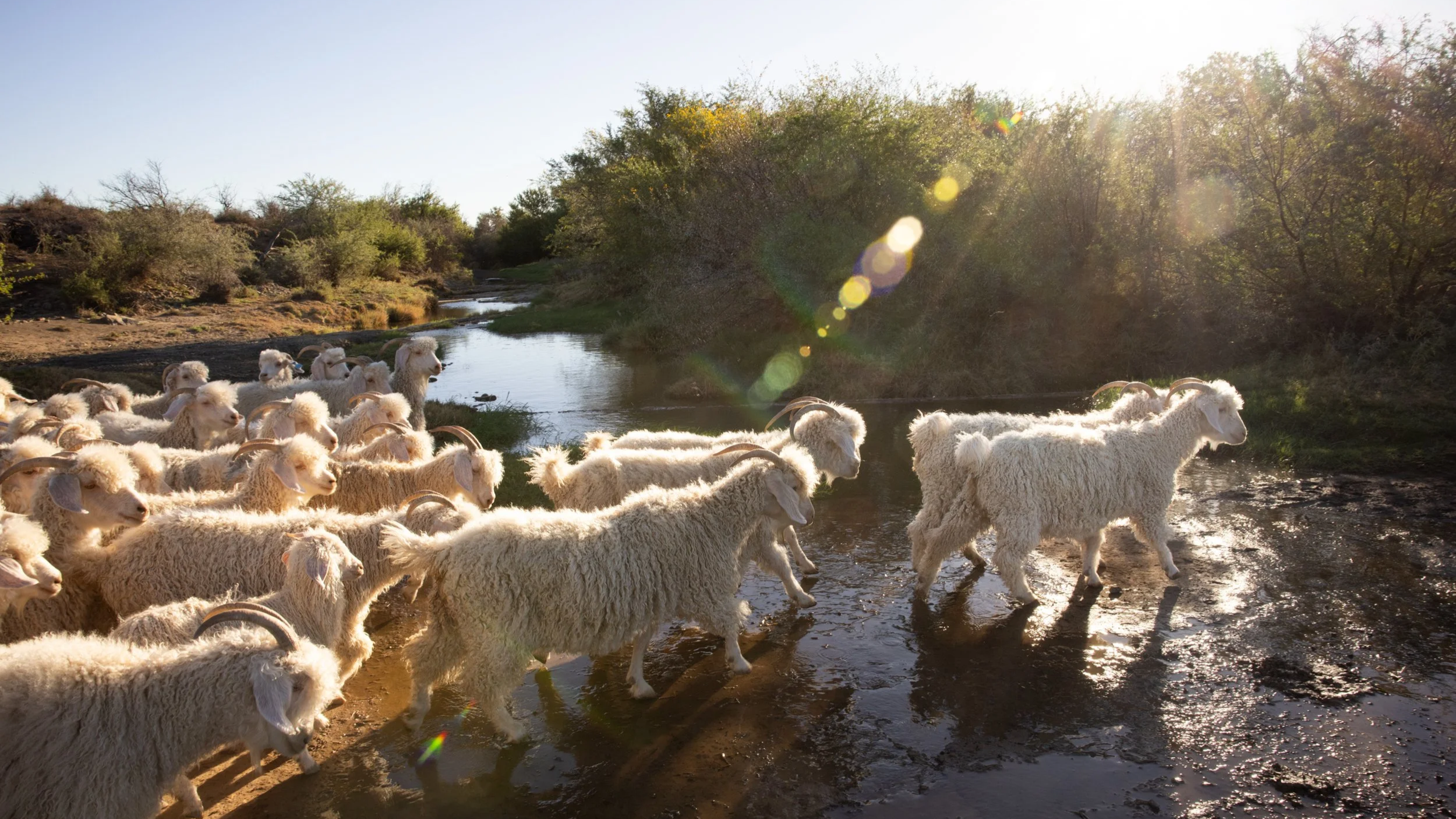
South Africa’s new gold rush: Big money, high stakes in emerging spekboom restoration sector
After decades of livestock pressure, 1.5 million hectares (3.7 million acres) of farmland in South Africa’s Albany thicket biome need rehabilitation — the way a burn victim needs lifesaving skin grafts.
First published by Mongabay.
27 August 2026
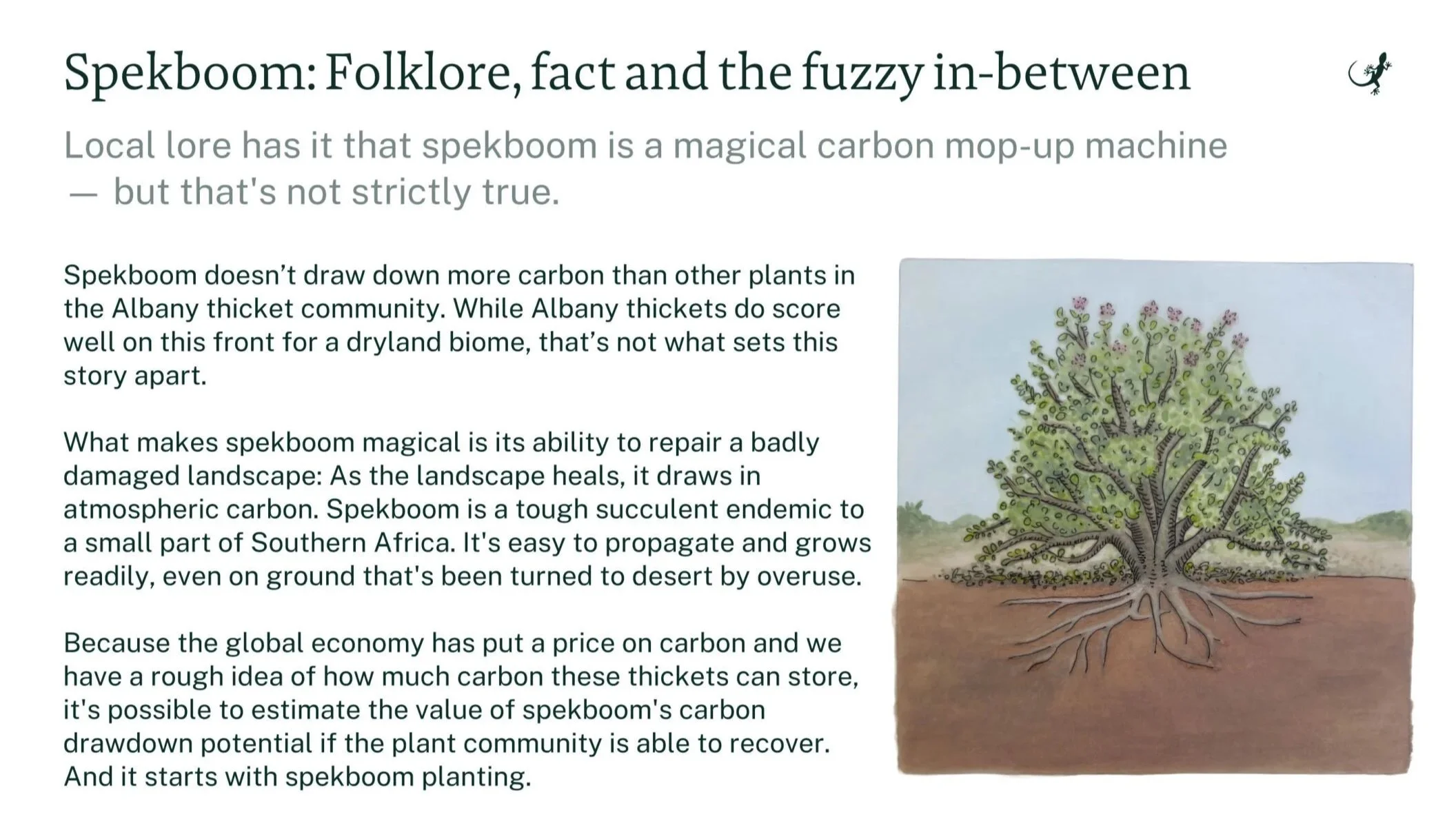
Spekboom: Folklore, fact and the fuzzy in-between
Local lore has it that spekboom is a magical carbon mop-up machine — but that's not strictly true. Spekboom doesn't draw down more carbon than other plants in the Albany thicket community. While Albany thickets do score well on this front for a dryland biome, that's not what sets this story apart.
First published in Mongabay.
22 April 2026
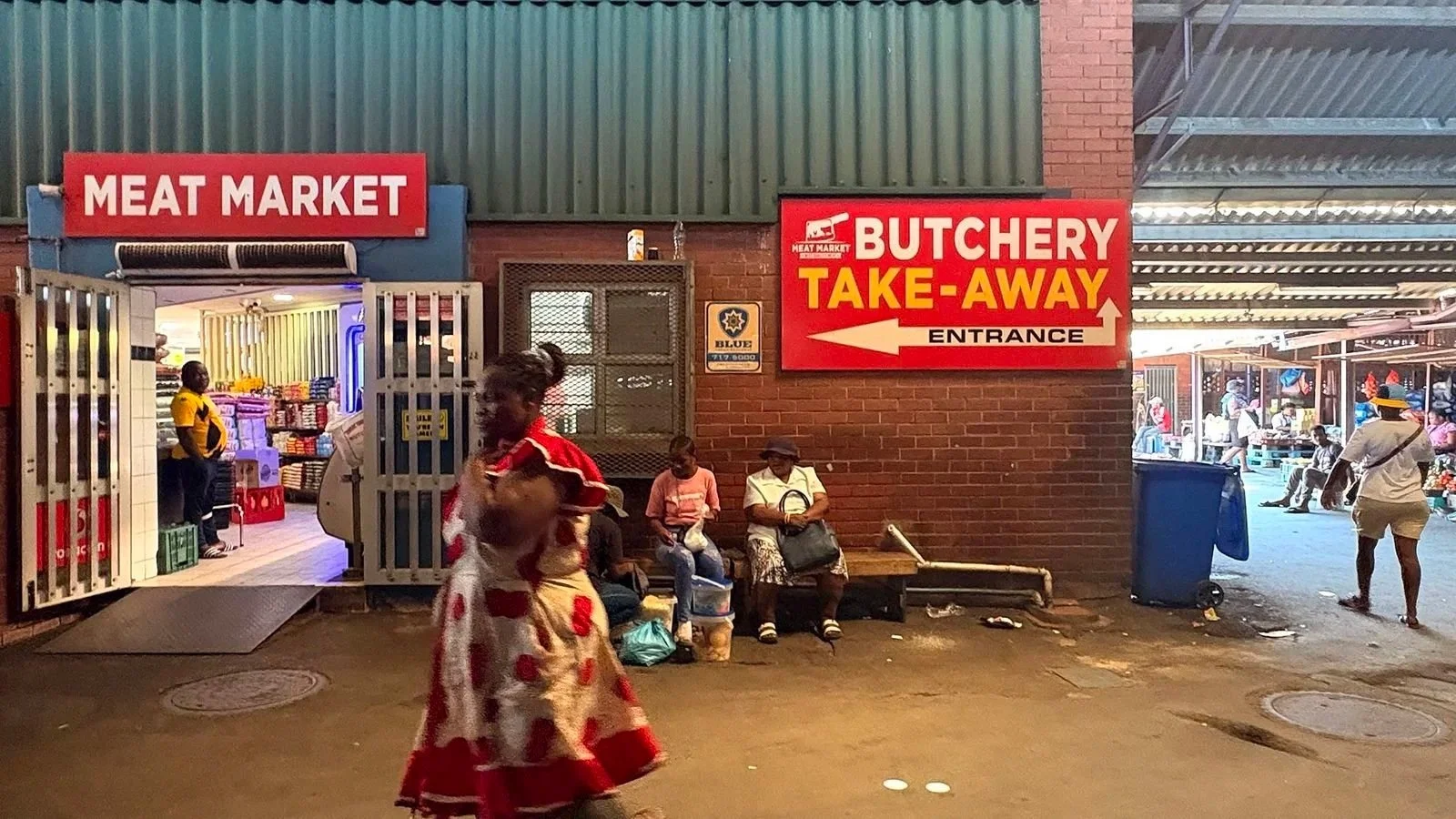
Cooked: the precarious life of informal traders in a heating world
Hawkers are the life force of a city’s informal economy. Those trading in Durban’s muggy inner city are exposed to boiler room conditions. Solutions to protecting them from extreme heat remain largely in policy documents, not tangible actions.
First published in Daily Maverick.
21 May 2026
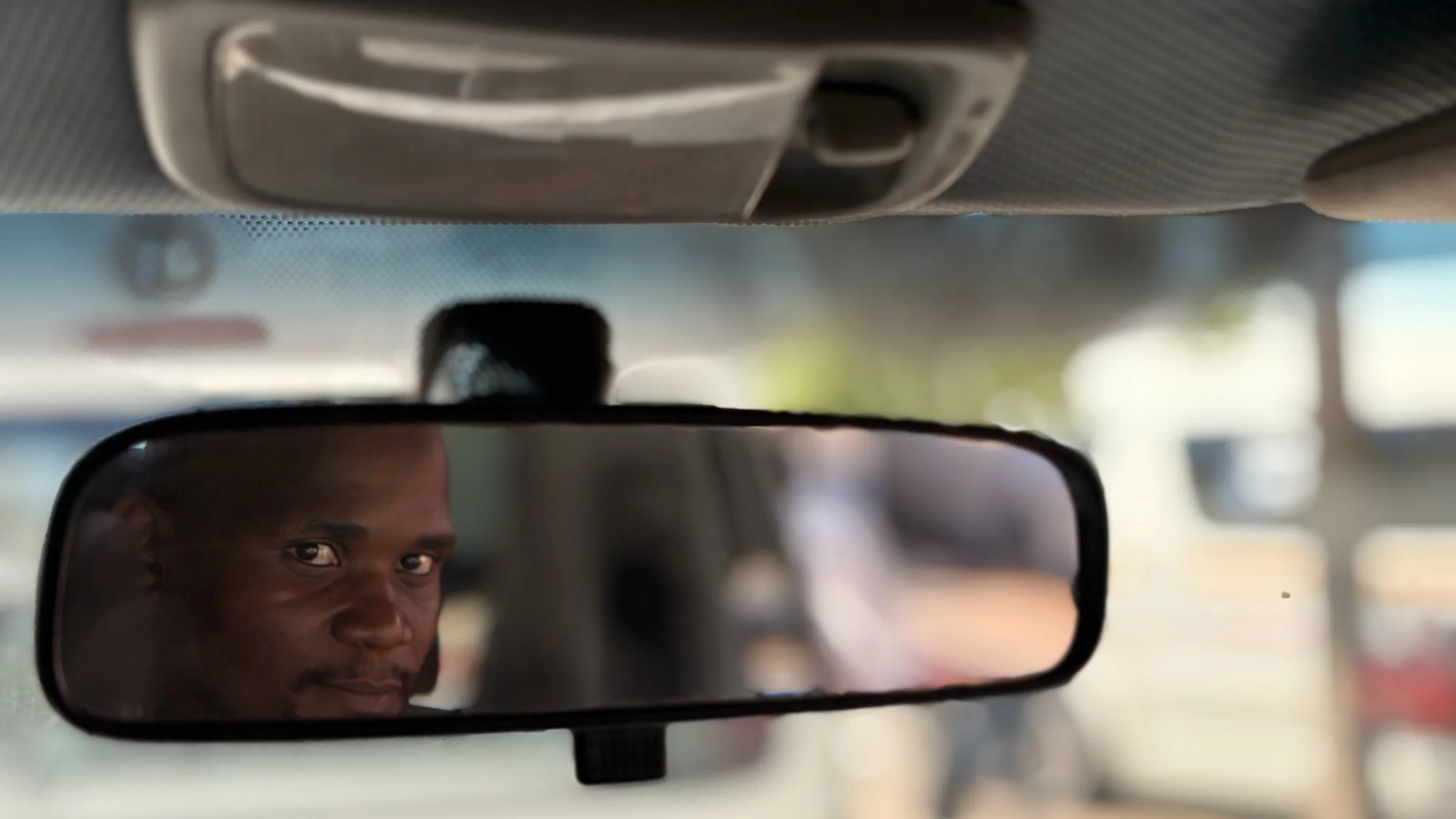
The ferrymen: SA’s taxi drivers face deadly heat on the job
A new study from Durban shows how at risk taxi drivers are to life-threatening heat stress, and not just during once-off extreme events. Long-term exposure to rising temperatures in their mini buses may end in kidney burnout.
First published by Daily Maverick.
7 May 2026
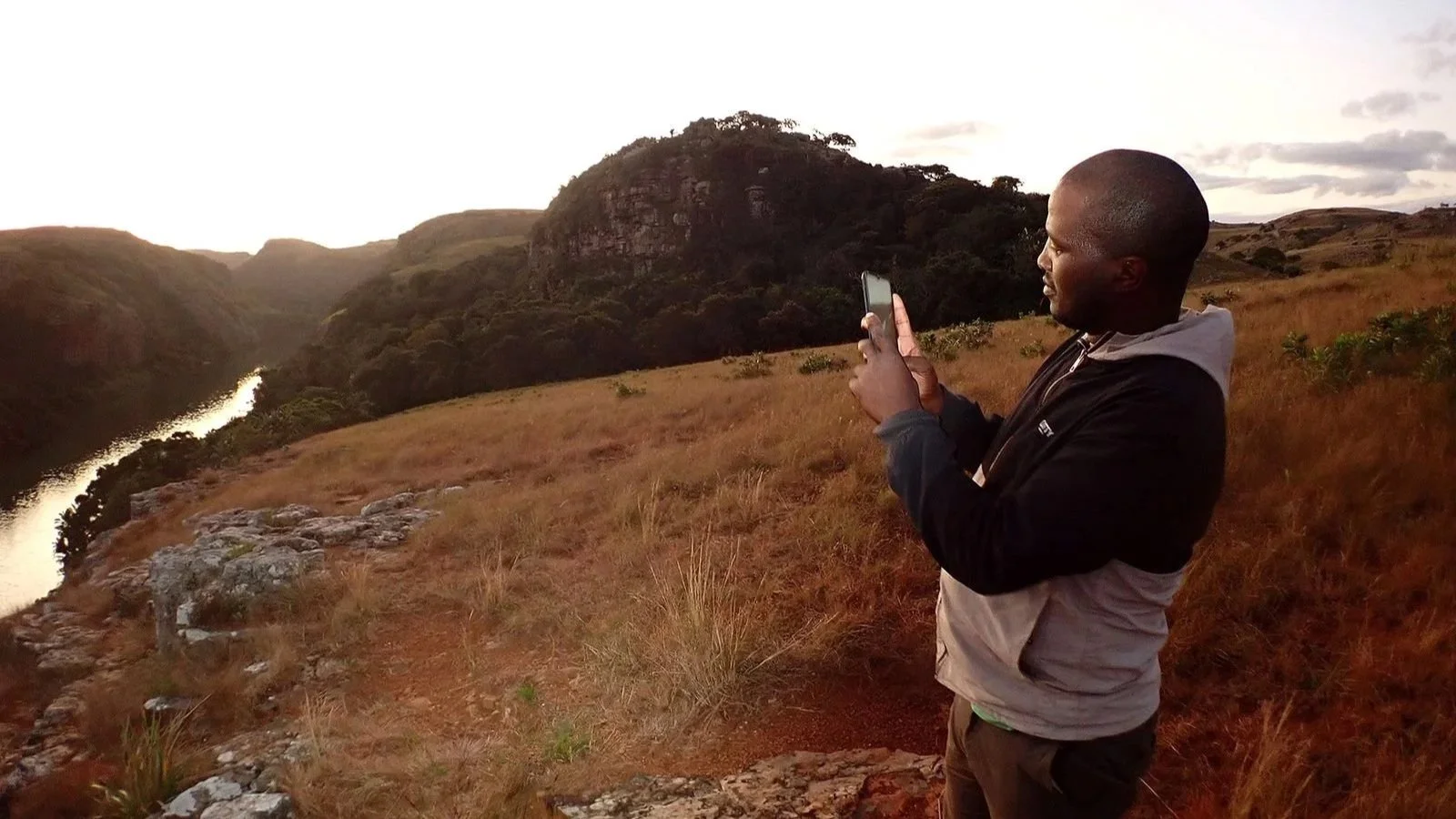
Gut feeling: Wild Coast’s food heritage holds solution to ‘lifestyle’ diseases
At a time when whole food farmers’ markets have been replaced by Whole Foods Market Inc, and glitzy packaged foods trump home-grown greens, research with farmers on the Wild Coast shows that sometimes progress means returning to our roots.
First published in Daily Maverick.
22 April 2026
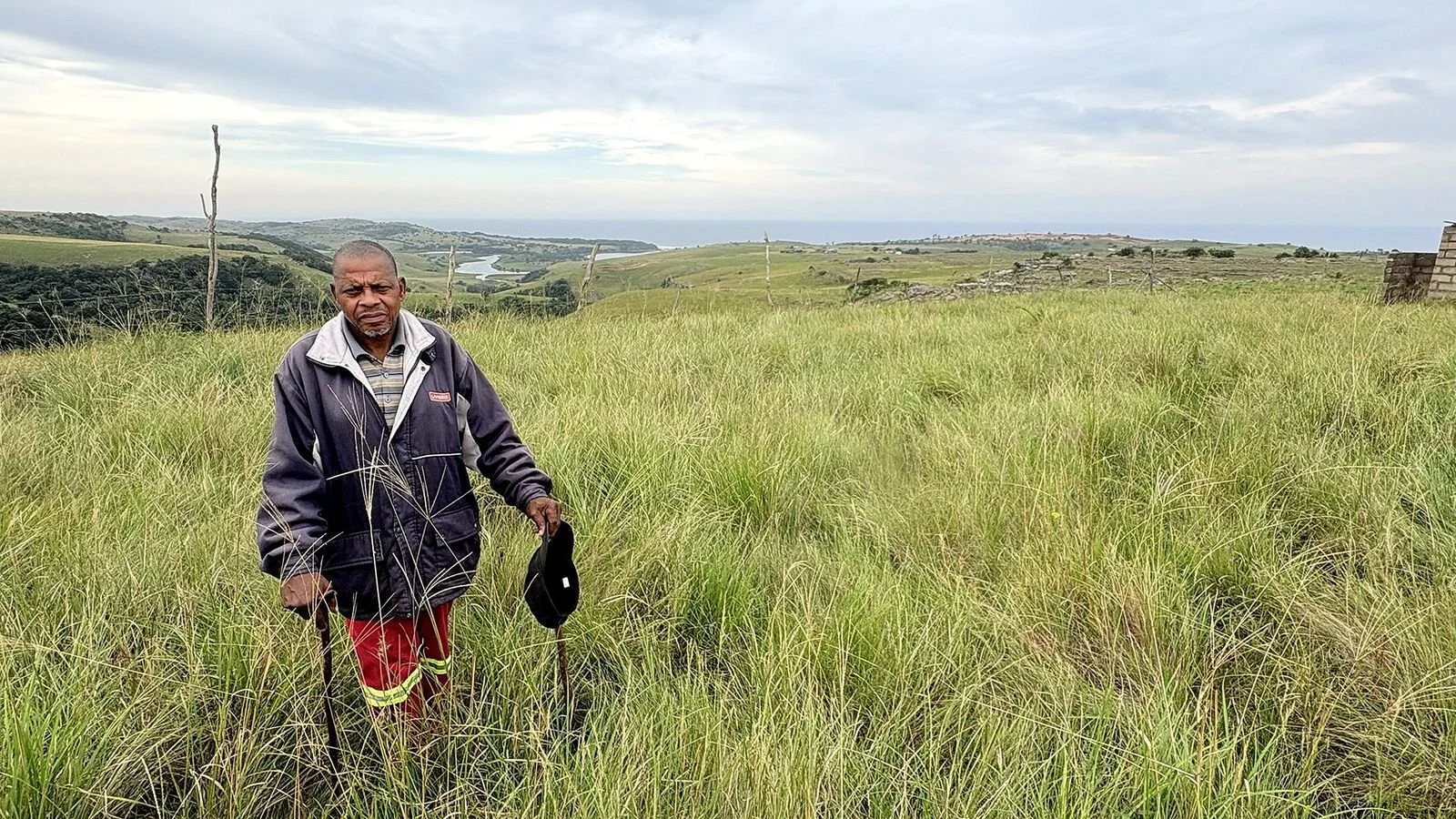
Wild Coast’s amaMpondo want greater part in preservation and management of ancestral lands
South Africa’s newly minted Ramsar wetland on the Wild Coast shows that the notion of development is contested territory. The story of a Pondoland fisherman shows that while the bull elephants tussle, it’s the grass that is trampled.
First published in Daily Maverick.
21 April 2026
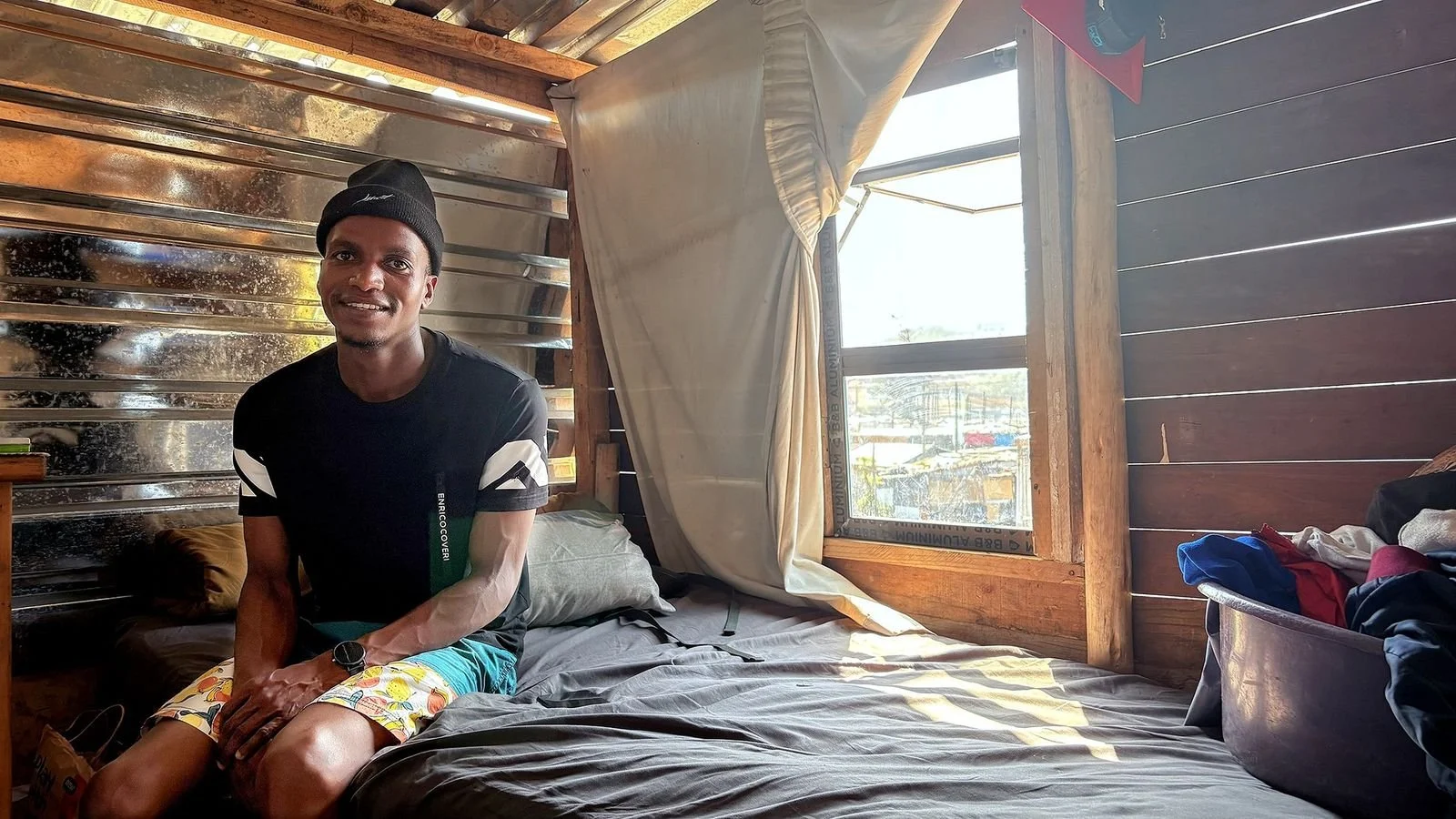
The fourth horseman: Extreme heat, a silent killer stalking informal settlements
Of the disasters that sweep through the Dakota informal settlement in south Durban, fire is feared most. Flood is the great leveller on lower ground. Wind gnaws at exposed homes. Heat, though, is stealthy and lethal. Research from this muggy East Coast neighbourhood shows how hellish shack life can be when temperature and humidity spike.
First published in Daily Maverick.
16 April 2026
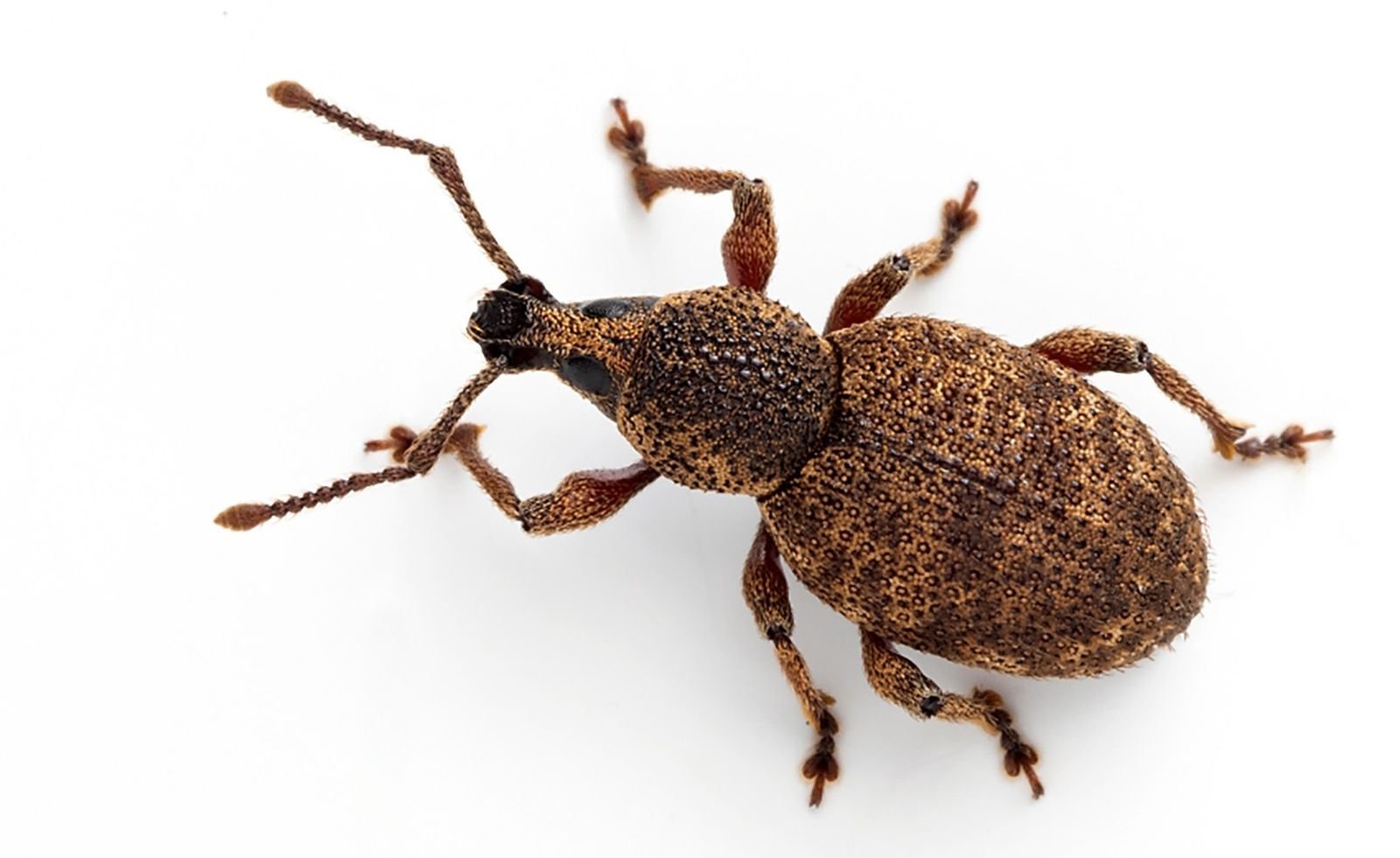
Government funding is the final hurdle to unleash the weevil to control pine weeds
A likely cure for one of the Western Cape’s worst pine weeds is ready for roll-out, after conservationists and pine growers break a 15-year deadlock on the safety of the biological control agent. Government funding remains the last bottleneck, as the province gets hotter, drier and more fire-prone.
First published in Daily Maverick.
5 March 2026
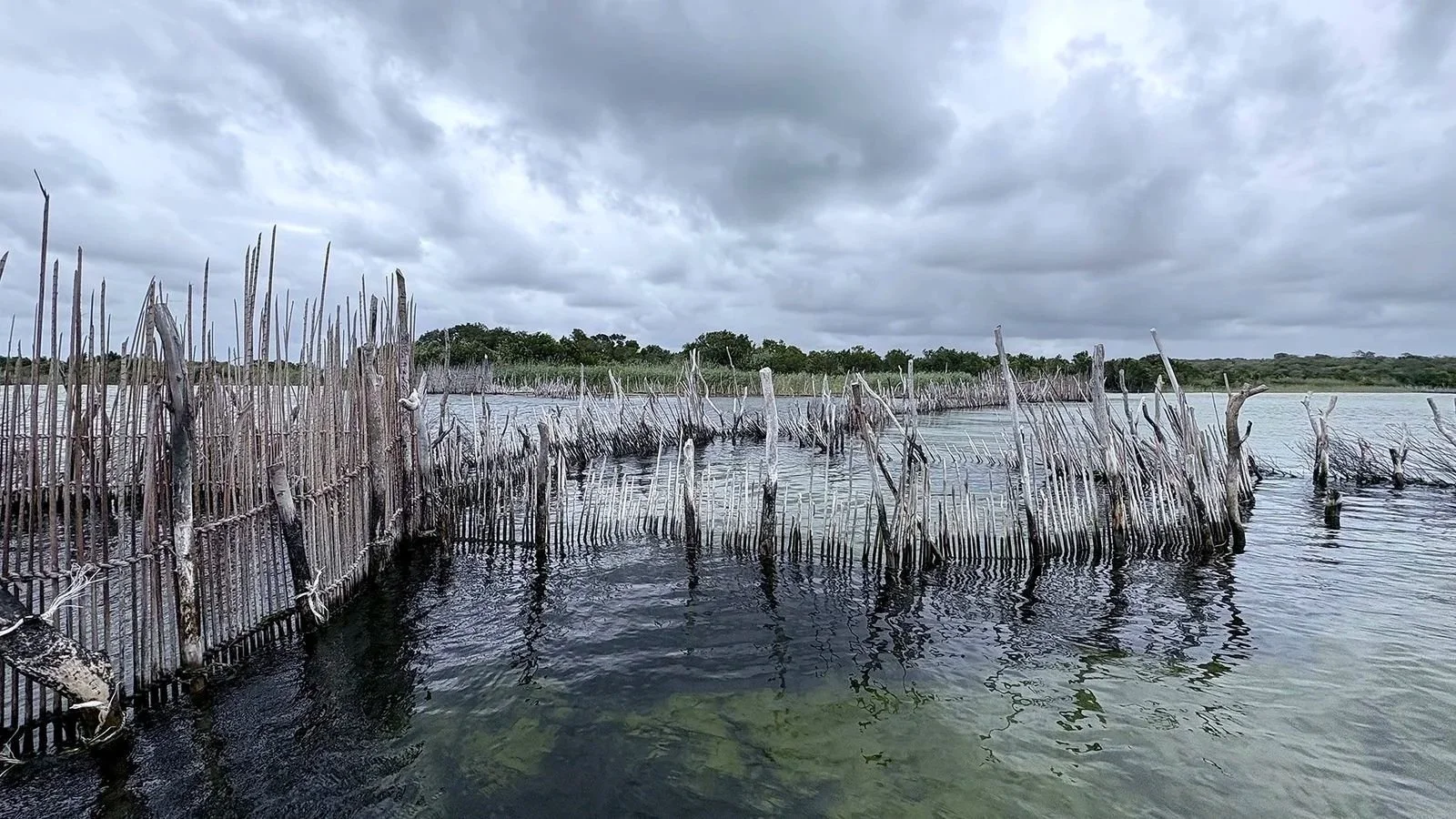
Thonga fishing families count the cost of decades-old eviction from Kosi Bay
In creating the iSimangaliso Wetland Park, South Africa chose ecotourism over extractive mining for the region’s development. But conservation authorities inherited an apartheid-era model of exclusion, which may continue the erasure of Thonga fishing culture from the landscape.
First published in Daily Maverick.
22 Feb 2026
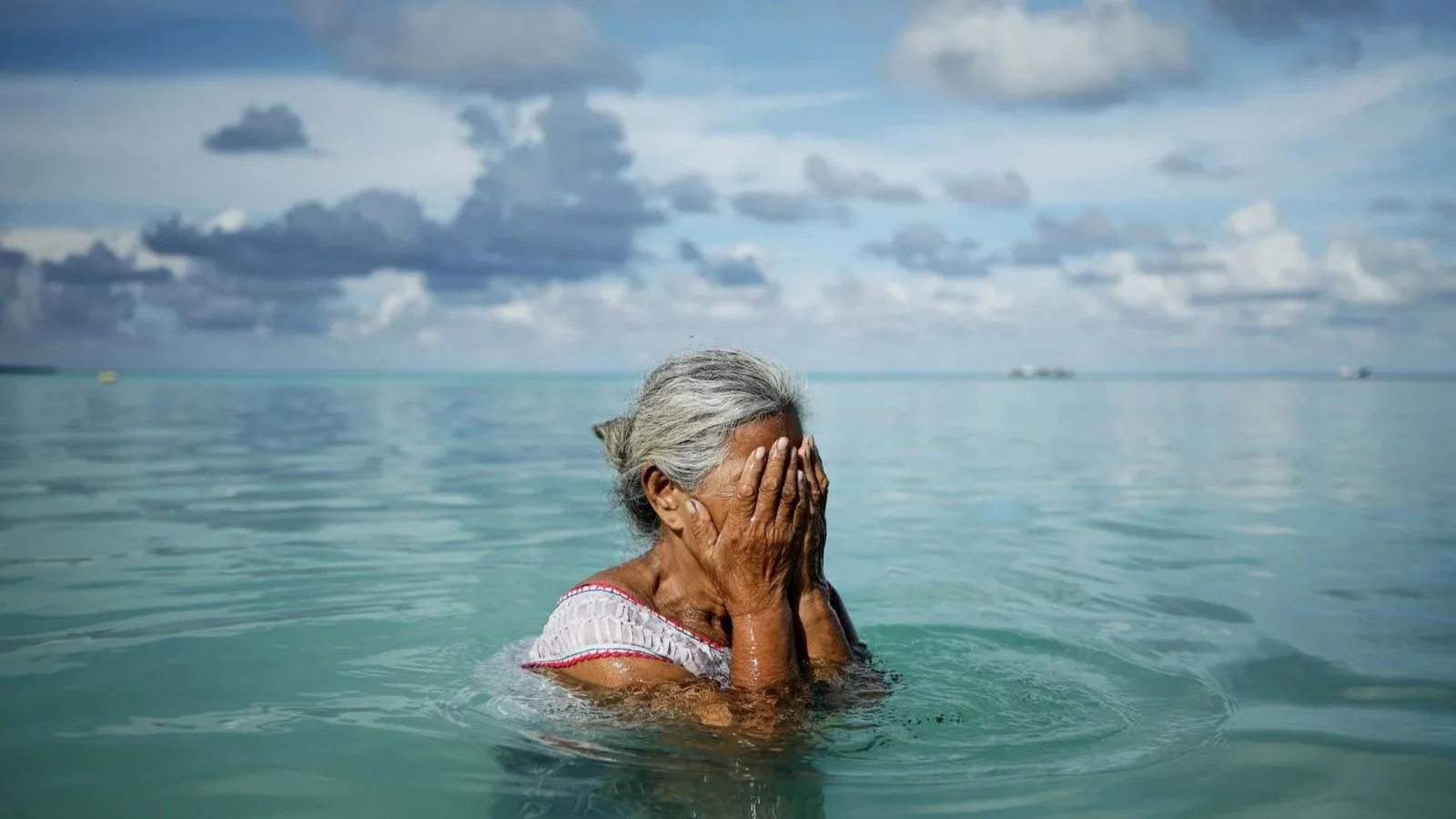
Climate activism is dead, long live climate activism
In his latest column, Steven Boykey Sidley gives a strident take-down of climate activism. But he’s parroting a British libertarian with questionable credentials and a blind spot for evidence.
First published in Daily Maverick.
31 Jan 2026
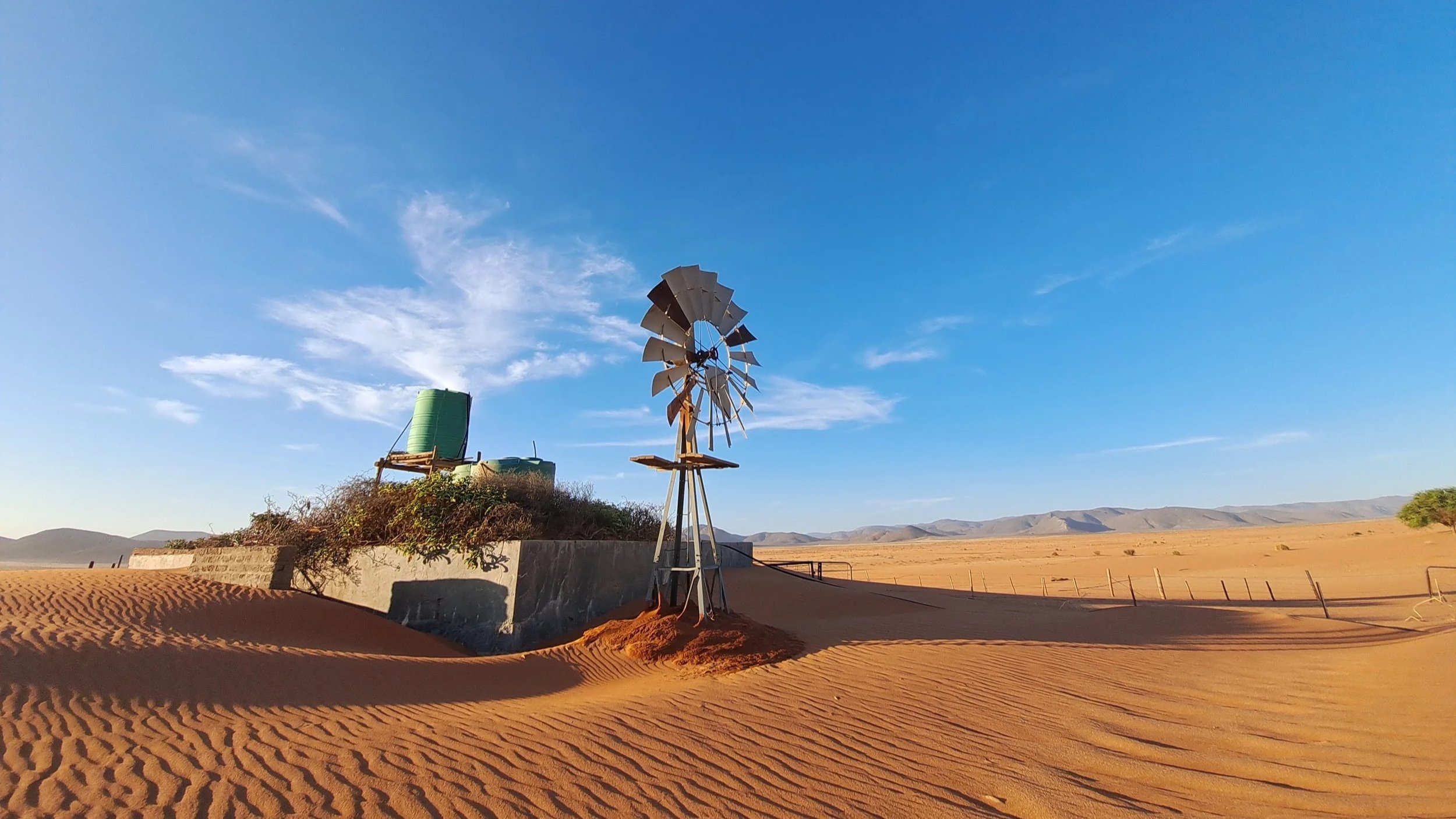
Our own flavour of climate avoidance — why science journalism can’t save us [Part 2]
Science journalists are humans, before we’re society’s watchdogs. The talking points at the recent World Conference of Science Journalists show we’re so busy surviving the immediate threat to our careers that there may be little headspace to confront the enormity of climate collapse.
First published in Daily Maverick.
9 Feb 2026
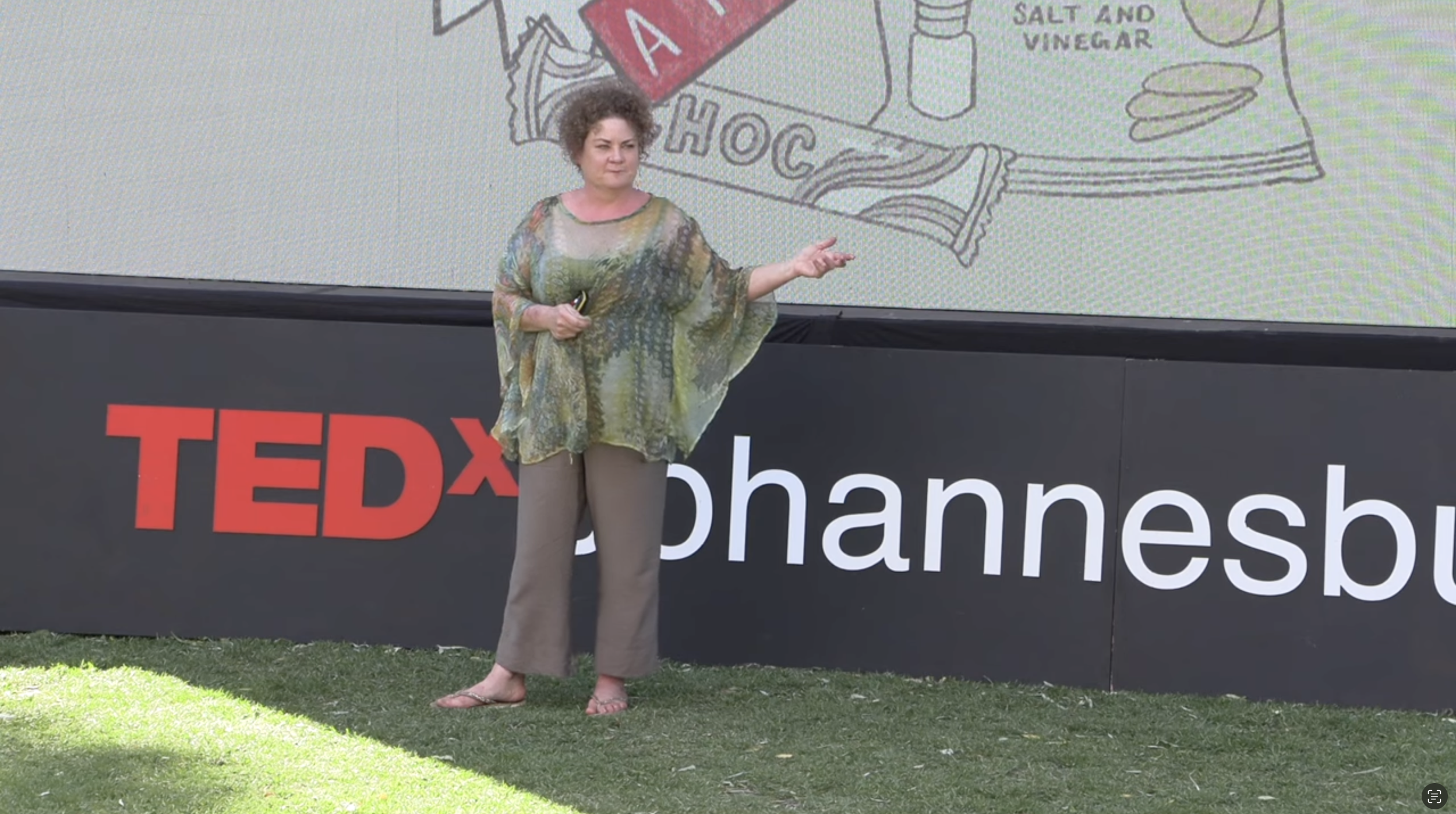
What is a lethal dose of plastics poisoning?
In this TEDxJohannesburg talk, Leonie traces how profit-driven systems keep the tap of plastic production wide open while the rest of us absorb the consequences. Exposing the politics behind this crisis, she argues that only bold regulation, accountability, and a global shift toward a true circular economy can uphold our right to healthy, breathable air.
Hosted by TEDxJohannesburg and #TEDCountdown.

Family jewels: the Richtersveld's many endemic dwarf succulents

Family jewels: the Richtersveld's many endemic dwarf succulents

Family jewels: the Richtersveld's many endemic dwarf succulents

Family jewels: the Richtersveld's many endemic dwarf succulents
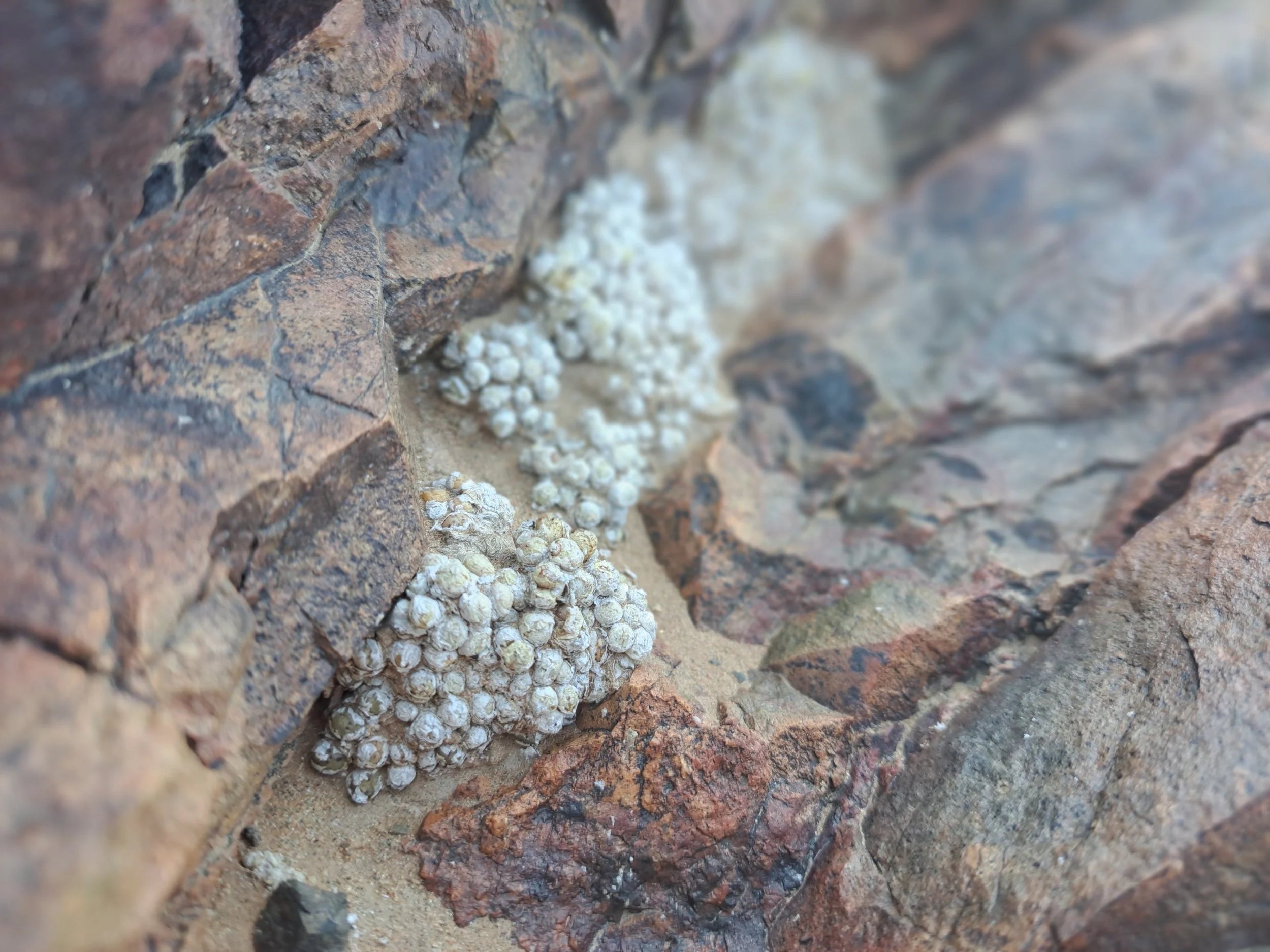
Family jewels: the Richtersveld's many endemic dwarf succulents

Family jewels: the Richtersveld's many endemic dwarf succulents


Family jewels: the Richtersveld's many endemic dwarf succulents
More wordsmithery…
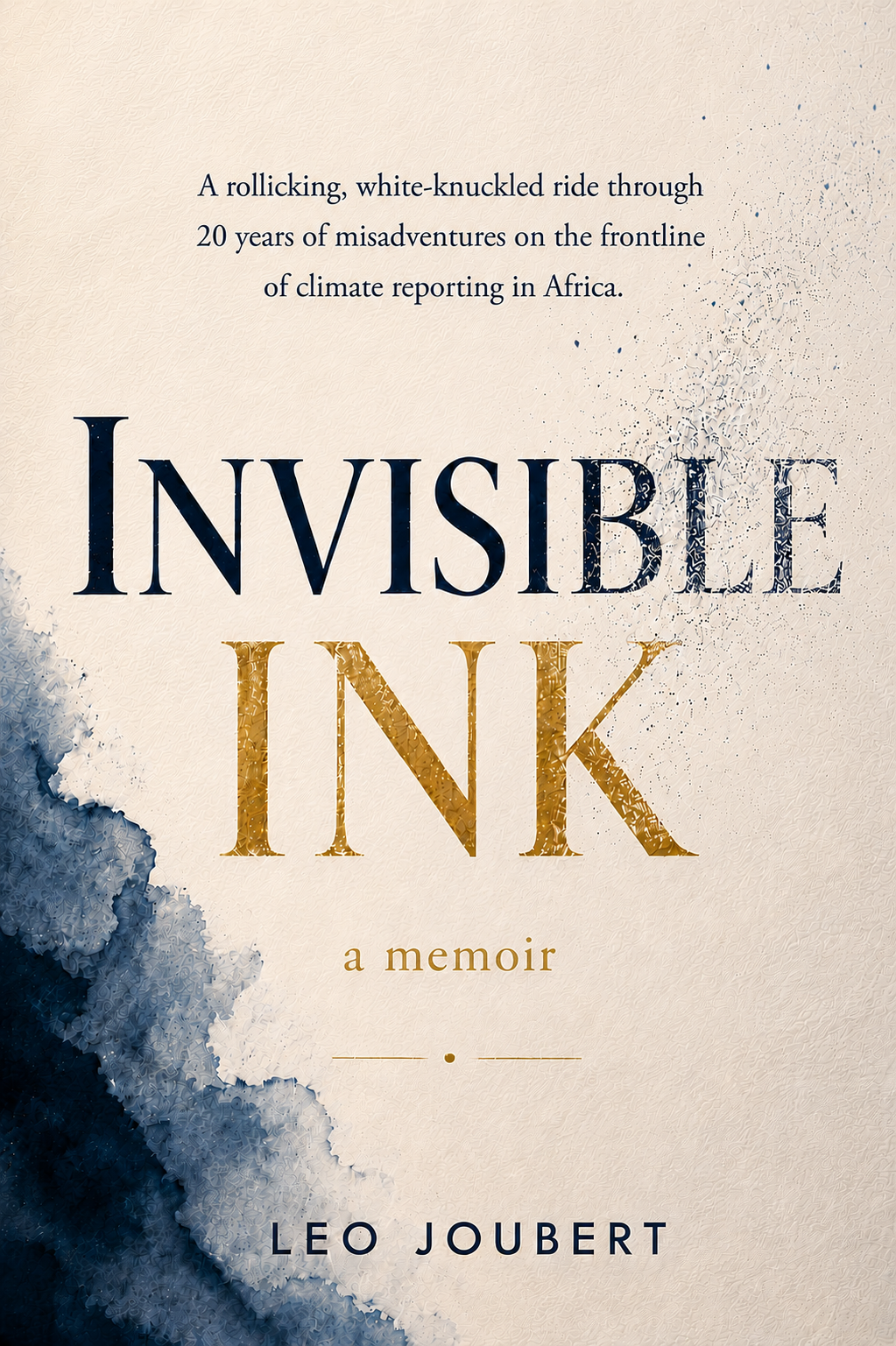
Introducing Invisible Ink, the ‘most brilliant climate crisis memoir the world has never heard of, and no one wants to read’, according to the entirely unbiased author.
Leonie’s most recent book is a rollicking, white-knuckled ride through 20 years of misadventures on the frontline of climate reporting in Africa.
It is sometimes dark, sometimes funny, often furious. It's also 'too much', according to one critic. Way too much.
A self-inflicted injury this big — turning a planet’s climate system into chaos — is too much.
Join our intrepid misanthropic memoirist — a competent writer who is not a man, if you can believe it — as she goes utterly mad in the face of climate collapse, and is absolutely sane as she watches herself do so.
Warning: includes at least one irate witch hunter, a few insurgents with hand-me-down Kalashnikovs and murderous intent, some predatory capitalists, a sexist or two, and a deity in the shape of a cat.
Because no adventure is complete without a cat. Even dog people know this to be true.
Invisible Ink is available in ebook or audio book.
“... no adventure is complete without a cat.
Even dog people know this to be true.”

Leonie Joubert has an unusual beat.
She writes about pollution: carbon pollution of the atmosphere that’s driving climate collapse; how highly-processed food-like products pollute our bodies, causing the ‘oil spills’ of hunger, obesity, diabetes, heart disease and the supposedly self-inflicted cancers; and plastics, which are now milling down into such small particles they’re washing up inside our bodies like toxic sludge on a beach.
Mostly, she’s interested in who profits from being able to pollute, and who pays the price.
Through this unusual journalistic beat, Leonie critiques the limitless-growth economic model through the lens of climate change and food security, and how this is driving systems collapse.
She has spent the better part of 20 years exploring these topics through books, journalism, communication support to academics and civil society organisations, non-fiction creative writing, podcasting, and public speaking.
Using long-form journalism, her storytelling weaves ‘person’ and ‘place’ into the complex science of the issue at hand.
Story Ark is a collaboration with the Stellenbosch University School for Climate Studies, the Henry Nxumalo Foundation which supports investigative reporting, and the Daily Maverick. Stories are also being published by Mongabay and Nature Africa.